

As parents, we often observe a whirlwind of emotions in our children, but articulating those feelings can be challenging for them. Developing an emotional word bank is an effective way to help kids understand and express their emotions more clearly. This not only enhances their emotional intelligence but also improves communication within the family.
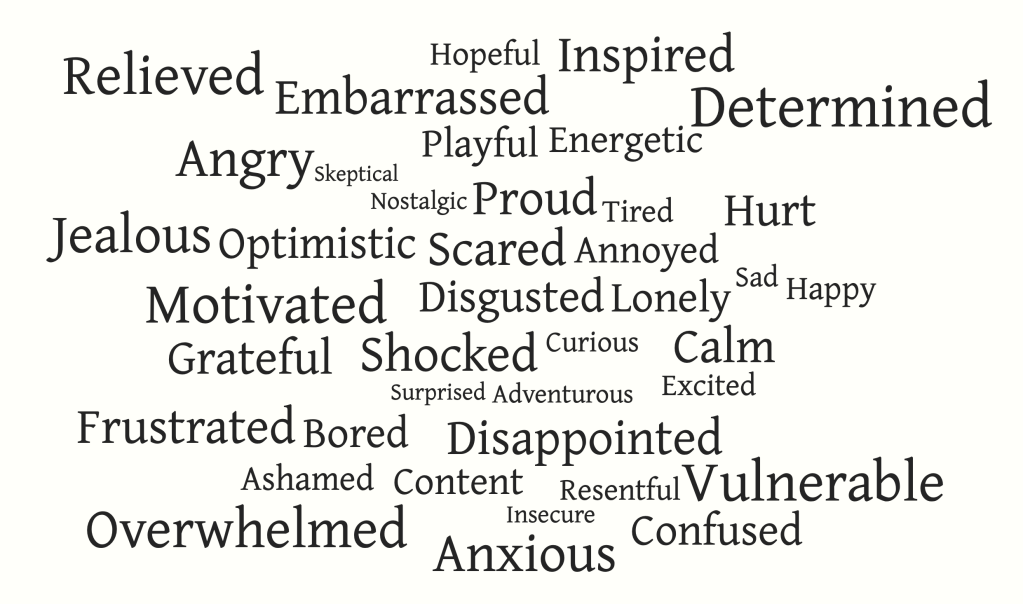
Parents can model this behavior by using descriptive emotion words in their everyday conversations. Consider posting a list of emotions on the fridge or in another key area of your home. Use these words throughout the day to help normalize emotional expression. You might be surprised by the variety of emotions we experience daily, both positive and negative.
The Importance of an Emotional Word Bank
An emotional word bank is a collection of words that describe feelings and emotions. By expanding this vocabulary, children can better articulate their thoughts and experiences. This practice encourages self-awareness and helps kids navigate their emotional landscapes more effectively.
TIp
Try not to use the emotion ‘angry’ when expressing yourself. ‘Angry’ is a secondary emotion and the person your speaking with may nopt understand what you’re really feeling ; try and express the primary emotions such as the ones listed below
The Iceberg Analogy
To better understand emotions, we can use the iceberg analogy. Picture an iceberg floating in the ocean: only a small part is visible above the water, while the majority remains hidden beneath the surface. Similarly, our emotions often have visible expressions (like anger or sadness) that are just the tip of the iceberg. Below the surface lies a complex array of feelings that contribute to that visible emotion.
For example, when a child is angry, they might also be feeling hurt, frustrated, or scared. By recognizing and naming these underlying emotions, children can gain a deeper understanding of their feelings and learn healthier ways to express them.
Here are some emotions that can help expand your child’s emotional vocabulary:
How Parents Can Encourage Emotional Expression
1-Model Emotional Language: Use emotional words in your daily conversations. For example, instead of saying, “I’m upset,” try, “I’m feeling frustrated because I can’t find my keys.” This demonstrates how to articulate feelings.
2-Create a Safe Space: Encourage open discussions about emotions. Make it clear that all feelings are valid and that it’s okay to express them.
Use Visual Aids: Consider using charts or cards with different emotions. This can help kids visualize and identify what they’re feeling.
3-Practice Naming Emotions: When your child experiences a strong emotion, help them identify it. Ask questions like, “What do you think is making you feel this way?” or “Can you find a word to describe how you feel right now?”
4-Role-Playing: Use role-playing games to explore different scenarios and emotions. This can help children practice expressing feelings in a safe and fun environment.
Conclusion
Building an emotional word bank is a vital step in helping children articulate their feelings and navigate their emotional worlds. By utilizing the iceberg analogy, you can teach them that visible emotions are often just the tip of a deeper emotional landscape. With patience and practice, your child will learn to express themselves more effectively, fostering better communication and emotional health.
Encourage your child to explore their feelings, and watch as they grow into emotionally intelligent individuals who can articulate their experiences with clarity and confidence.
 Parenting Empowered
You must be logged in to post a comment.